

Author: Shikib Ahmad Nazari
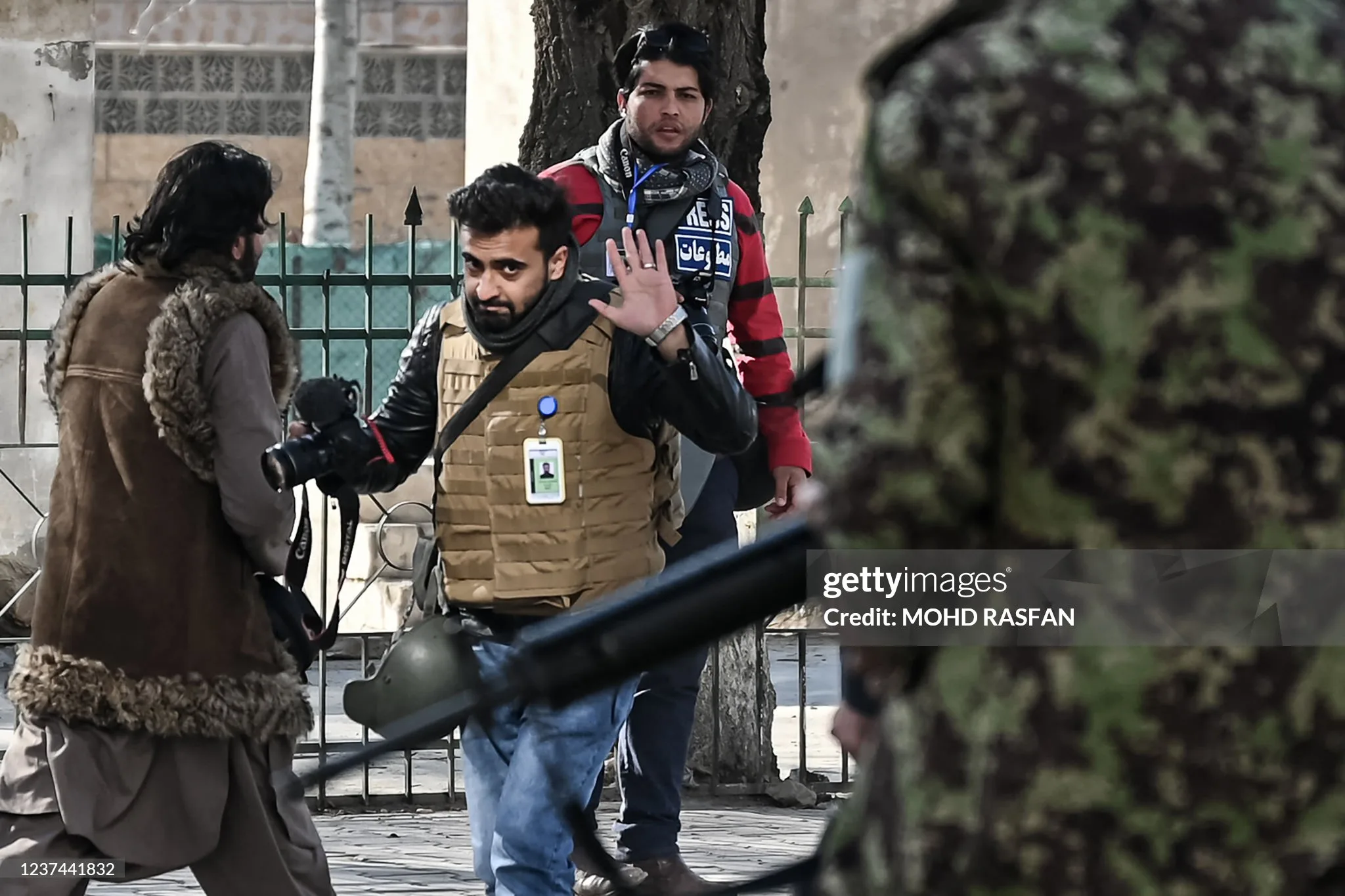
Despite their numerous challenges, Afghanistan’s journalism is still considered a vital and impactful profession. Journalism has encountered severe obstacles recently, particularly since the previous regime’s fall. Although Afghanistan’s history in journalism and media was once viewed as promising, security instability, political pressure, biased interactions, and many other factors have profoundly affected the industry. Nevertheless, journalists have continued to serve as guardians of truth, playing a crucial role in covering both positive and negative events within the country. However, under the current government of Afghanistan, led by the Taliban, journalists face numerous challenges and restrictions. The Afghan media community appears heavily burdened by political, economic, and social pressures, though these pressures have not significantly impacted their independence and ability to report truths. In some cases, Afghan media have been compelled to adopt one-sided stances, influenced by political factors within the government’s structure and media environment.
As the world advances toward modernity, where theorists discuss concepts of “global governance” and “hegemony,” journalists are also influenced by these issues. Modern journalism faces new and diverse challenges, impacting Afghanistan’s news reporting quality and culture. One of the significant challenges is the widespread presence of social media, which has affected the speed of data dissemination and slowed down the news cycle for traditional media. Research by authors and scholars on social media and data dissemination indicates that the rapid spread and easy transmission of propaganda via social networks have detrimentally impacted the factual representation of events. For example, writer Farhad Haqyar notes, “Public relations and propaganda may appear similar from various perspectives, as both aim to shape public opinion. Both use mass media and social media and ultimately, both target specific audiences to draw people toward specific ideas or unique actions.”
Furthermore, reports about the deaths of Afghan refugees en route to Iran, shared on social media (such as images of deceased and injured Afghan refugees shot by Iranian border guards in Sistan and Baluchistan on October 13, 2024), have shown contrasting views between Afghanistan and Iran. Certain traditional media extensively covered this topic without verifying the accuracy of the news, contributing more to rumors and hate speech than objective reporting.
As seen in the example above, although social media is a quick medium for sharing news, it often comes with severe consequences. Speed can come at the expense of accuracy, leading to misinformation and fake news. With limited access to information, journalists are also at risk in the current situation. This challenge hampers their ability to verify information and counter rumors. While propaganda is not the main focus of this article, it remains a challenging aspect within the Afghan media landscape.
In terms of information access, journalists have been affected to the extent that, particularly in the current Afghan context, restrictions on information access are imposed. Although various government entities stress the importance of public media laws and the “right to information” law, these are often violated by government information sectors, especially spokespersons of governmental bodies. Consequently, journalists need help to gather accurate and reliable information from primary sources quickly, and after passing through multiple organizational and bureaucratic stages, they may face difficulties disseminating it. Strict laws and regulations prevent media from functioning independently. For instance, the eleven principles previously announced by the Ministry for the Promotion of Virtue impose mandatory guidelines on the media, and any violation may result in severe consequences for journalists or media outlets.
Journalists and media operate under intense government oversight, undermining media independence. Various government sources consistently restrict information and prohibit reporting on sensitive issues. In contrast, media outlets outside Afghanistan, covering Afghan topics from abroad, enjoy unrestricted access to primary information sources. This remains a significant challenge for Afghan journalists operating within the country and is a persistent issue in Afghan media and information dissemination.
Political and economic pressures can influence journalists, compromising media independence. Threats, intimidation, arrests, harassment, insults, and even violence are additional challenges for journalists in Afghanistan. It is important to note that the type of governance directly impacts the style of public media operations. In democratic governments, media often emphasize independence and rights, while in non-democratic or totalitarian regimes, high levels of media censorship are expected.
Although new technologies offer journalists fresh tools, these tools still require learning new skills and adapting to changing technology. Limited access to new media technology is a significant challenge for Afghan journalists when delivering information to the public.
These challenges offer journalists opportunities to address issues using innovative methods, addressing the needs within the journalism profession. Society constantly expects journalists to deliver information effectively and accurately, which requires close attention. In restrictive regimes, journalism faces numerous obstacles that significantly impact freedom of expression and media activity. Afghan journalists face threats such as physical danger, intimidation, and imprisonment, leading many to leave the country. These threats often stem from fear of retaliation, covering sensitive topics, or working with foreign media.
Finally, ethical challenges are also significant. Having access to multiple and diverse sources, journalists must respect ethical standards regarding privacy, accuracy in reporting, balanced news presentation, and the impact of their reports on society. Additionally, individuals or organizations may attempt to damage journalists’ reputations. In such situations, journalists must take extra steps to prevent damage from physical and character attacks by exploitative individuals, which could decrease public trust in media activities.
In conclusion, Afghanistan’s lack of access to information paves the way for increased censorship and self-censorship among journalists. Media outlets need help breathing and delivering society’s actual realities to citizens. This situation also severely questions the regime’s accountability, increasing the gap between the people and the government. Journalists are now more compelled than ever to remain silent for their safety, choosing to overlook some of the natural occurrences and societal truths.